 Cucina Veloce
Bucatini alla Boscaiola – Sausage & Mushroom Pasta
Boscaiola means 'woodsman's style', and this hearty pasta sauce captures everything wild and wonderful about the Italian forest — earthy porcini mushrooms, crumbled pork sausage, and a silky cream finish. It is a beloved recipe from the kitchens of Umbria and Tuscany, where hunters and woodsmen would cook whatever the land gave them. Unlike many cream-based pasta dishes, the boscaiola earns its richness through depth of flavour, not excess.
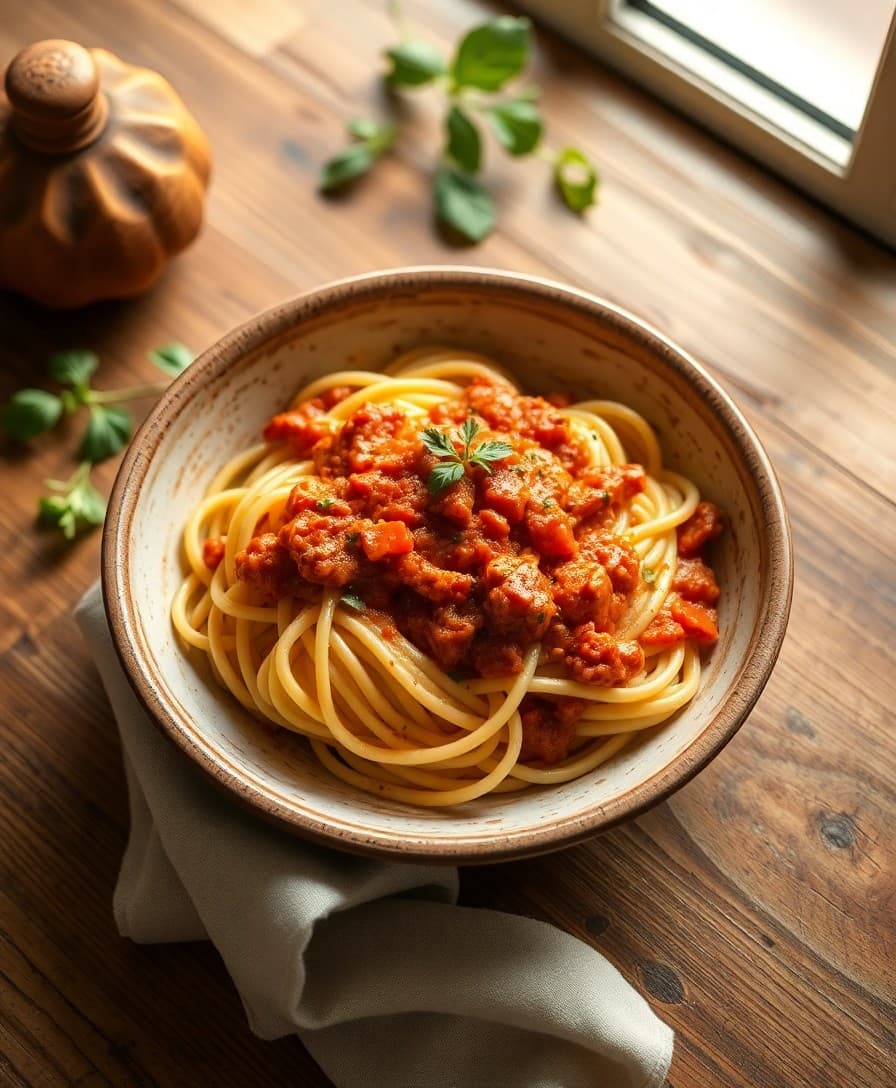
Ingredients
- 400 g bucatini
- 300 g mixed mushrooms (porcini, cremini, or chestnut), cleaned and roughly sliced
- 250 g Italian pork sausage, casings removed
- 150 ml double cream (panna da cucina)
- 1 small white onion, finely diced
- 2 cloves garlic, lightly crushed
- 80 ml dry white wine
- 3 tablespoons extra virgin olive oil
- A small bunch of flat-leaf parsley, roughly chopped
- Salt and freshly ground black pepper, to taste
Method
- Bring a large pot of water to a rolling boil. Salt generously — it should taste like the sea.
- Warm the olive oil in a wide, heavy skillet over medium heat. Add the onion and garlic and sweat gently for 3–4 minutes until soft and translucent, without browning.
- Crumble the sausage meat directly into the pan in small, irregular pieces. Raise the heat to medium-high and cook for 5–6 minutes, stirring occasionally, until deeply browned and caramelised in spots.
- Pour in the white wine and let it bubble vigorously for 1–2 minutes, scraping up any sticky bits from the base of the pan, until the alcohol has fully evaporated.
- Add the mushrooms to the pan, season with salt and pepper, and cook over medium-high heat for 6–8 minutes until they have released and reabsorbed their liquid and are golden at the edges. Remove and discard the garlic cloves.
- Reduce the heat to low. Pour in the cream, stir well to combine with the sausage and mushrooms, and simmer gently for 3–4 minutes until the sauce thickens slightly and coats the back of a spoon.
- Meanwhile, cook the bucatini in the boiling salted water for 1 minute less than the packet instructions. Reserve a ladle of pasta cooking water before draining.
- Add the drained bucatini directly to the skillet. Toss vigorously over medium heat for 1–2 minutes, adding a splash of the reserved pasta water if needed to loosen the sauce and help it cling to the pasta. Finish with a generous handful of chopped parsley, taste for seasoning, and serve immediately.
Tips from the kitchen
Frequently asked questions
Can I make Bucatini alla Boscaiola without cream?
Yes. In some regional versions, particularly in Tuscany, the cream is omitted and the sauce is finished with a ladle of pasta water and a drizzle of good olive oil for a lighter, brothier consistency. The result is less indulgent but equally delicious and arguably more rustic.
What type of sausage should I use?
Use a coarse-ground, lightly seasoned Italian pork sausage (salsiccia) — the kind made with fennel seed or simple black pepper. Avoid heavily smoked or pre-cooked sausages, as they will not brown properly and can overwhelm the mushrooms.
Can I prepare the sauce ahead of time?
Absolutely. The boscaiola sauce keeps well in the refrigerator for up to 2 days in an airtight container. Reheat it gently in the skillet with a splash of water or stock to loosen it, then toss with freshly cooked pasta.