 Cucina Veloce
Parmigiana di Melanzane – Classic Neapolitan Recipe
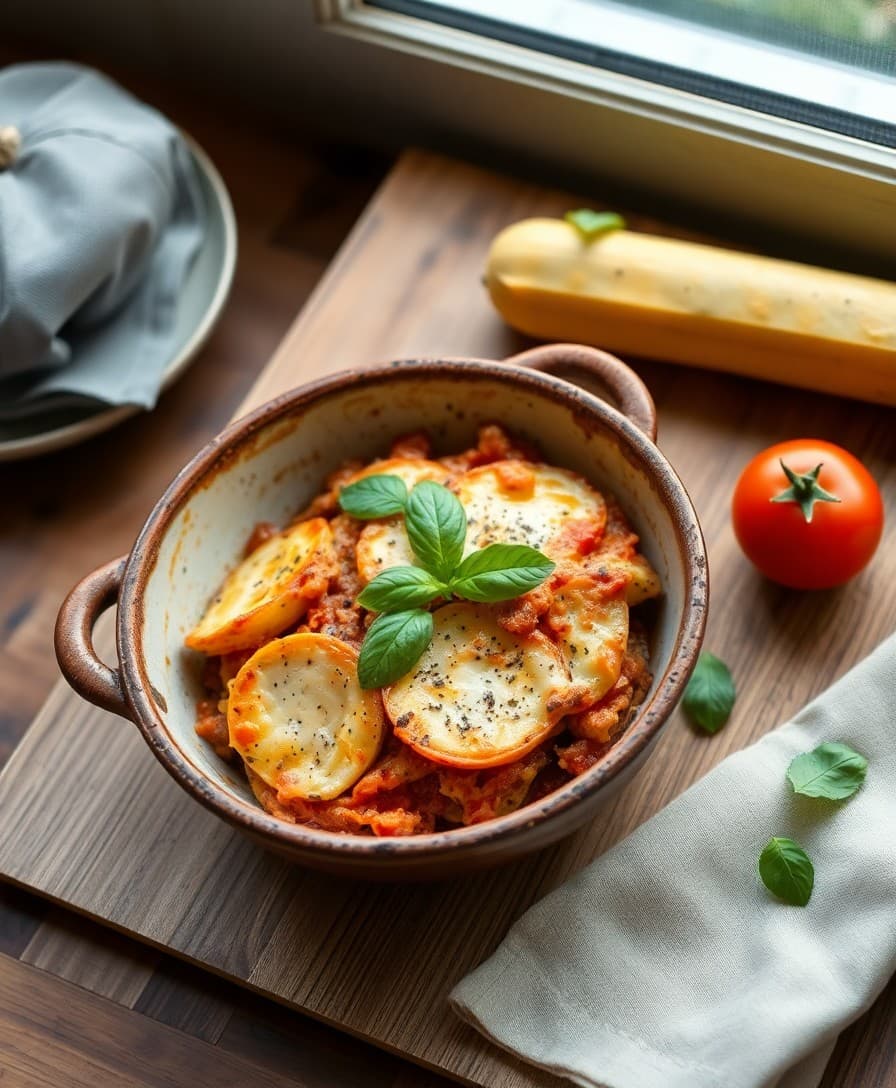
Parmigiana di Melanzane is the crown jewel of Southern Italian cooking, born in Campania and beloved across the entire peninsula. Layers of golden fried eggplant, slow-cooked tomato sauce, melting fior di latte mozzarella and aged Parmigiano create something far greater than the sum of their parts. This is the dish Neapolitan grandmothers made on Sundays — and with good reason.
Ingredients
- 1.2 kg (about 3 large) firm eggplants
- 2 tablespoons coarse salt (for purging)
- 700 ml passata di pomodoro (tomato purée)
- 1 garlic clove
- 1 small bunch fresh basil
- 500 g fior di latte mozzarella, drained and sliced
- 100 g Parmigiano Reggiano, freshly grated
- Sunflower oil, for frying
- 3 tablespoons extra-virgin olive oil
- Salt and black pepper to taste
Method
- Slice the eggplants lengthways or into rounds about 5 mm thick. Layer them in a colander, sprinkle generously with coarse salt, place a weighted plate on top and leave to purge for at least 30 minutes. Rinse well and pat completely dry with kitchen paper.
- Warm the olive oil in a saucepan over medium heat. Add the whole garlic clove and let it colour lightly, then remove it. Add the passata, a pinch of salt, a few torn basil leaves and simmer uncovered for 15–20 minutes until the sauce thickens and deepens in colour.
- Pour sunflower oil into a wide, deep frying pan to a depth of about 2 cm and heat to 175–180 °C. Fry the eggplant slices in batches, turning once, until deep golden on both sides, about 2–3 minutes per side. Transfer to a tray lined with kitchen paper to drain.
- Preheat the oven to 190 °C (fan 170 °C). Spread a thin layer of tomato sauce across the base of a 30 × 20 cm baking dish to prevent sticking.
- Arrange a single layer of fried eggplant slices over the sauce. Spoon over more tomato sauce, scatter slices of mozzarella, a handful of Parmigiano and a few basil leaves. Season lightly with black pepper.
- Repeat the layers — eggplant, sauce, mozzarella, Parmigiano, basil — until all the ingredients are used up, finishing with a final layer of sauce, the remaining Parmigiano and a drizzle of olive oil. You should have at least 3 layers.
- Bake in the preheated oven for 30–35 minutes until the top is bubbling and lightly golden. Remove from the oven and rest for at least 15 minutes before serving — this is essential for the layers to settle.
Tips from the kitchen
Frequently asked questions
Can I bake the eggplant instead of frying it to make the dish lighter?
You can, but the result will be noticeably different. Traditional Parmigiana requires frying: the golden crust on each slice provides structure and a depth of flavour that baking simply cannot replicate. If you prefer a lighter version, brush the slices with olive oil and grill them on a ridged pan or under the broiler until charred and tender — this is a reasonable compromise that keeps some of the character of the dish.
What is the difference between Neapolitan and Sicilian Parmigiana?
The Neapolitan version uses fried eggplant, tomato sauce, fior di latte and Parmigiano. The Sicilian version often adds hard-boiled eggs and salted ricotta, and sometimes uses a lighter, fresher tomato sauce. Both are delicious and authentic to their regions — this recipe follows the Neapolitan tradition.
How long does Parmigiana di Melanzane keep, and can it be frozen?
It keeps well in the refrigerator, covered, for up to 3 days. It can be frozen in individual portions once fully cooled — wrap tightly and freeze for up to 2 months. Defrost overnight in the fridge and reheat covered in a 160 °C oven until piping hot throughout.