 Cucina Veloce
Pasta con le Sarde – Authentic Sicilian Recipe
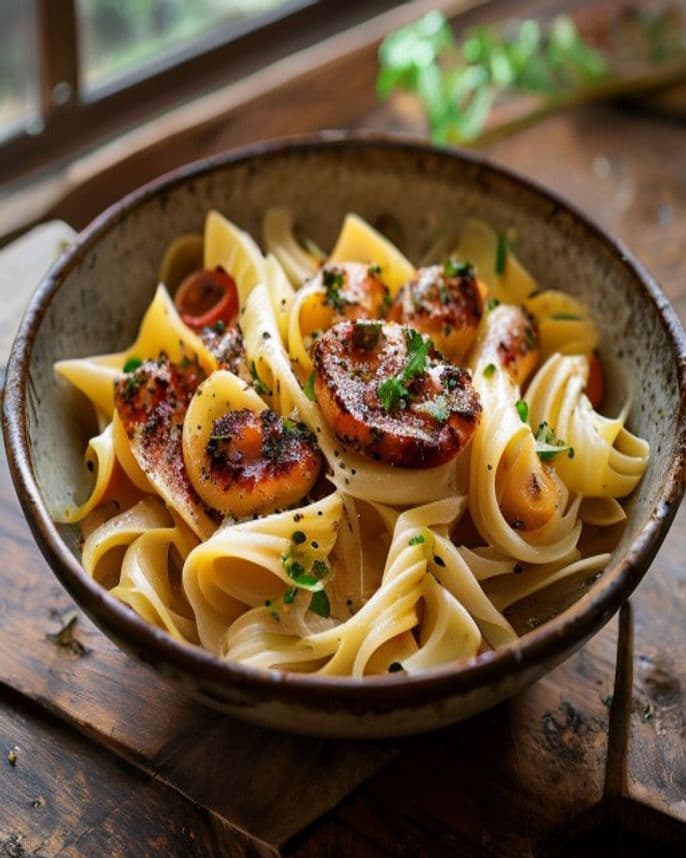
Pasta con le Sarde is one of Sicily's most iconic dishes, born from the island's Arab-Norman heritage and the perfect marriage of sea and countryside. Fresh sardines meet sweet raisins, crunchy pine nuts, fragrant wild fennel and golden saffron in a sauce that is complex yet deeply harmonious. This is authentic Palermo cooking at its finest — humble ingredients, extraordinary results.
Ingredients
- 400 g bucatini
- 400 g fresh sardines, cleaned, heads and bones removed
- 200 g wild fennel tops (finocchietto selvatico), tender fronds only
- 1 medium white onion, finely sliced
- 50 g pine nuts
- 50 g raisins (soaked in warm water for 15 minutes, drained)
- 1 sachet (0.125 g) saffron dissolved in 3 tbsp warm water
- 4 tbsp extra-virgin olive oil
- Salt and black pepper to taste
- Toasted breadcrumbs (mollica atturrata), for serving
Method
- Bring a large pot of salted water to the boil. Add the wild fennel and cook for 8–10 minutes until tender. Remove with a slotted spoon, squeeze out excess water, chop roughly and set aside. Keep the fennel cooking water — you will use it to cook the pasta.
- Rinse and pat dry the cleaned sardines. Open them flat like a book and check for any remaining small bones.
- Heat the olive oil in a wide, deep frying pan over medium heat. Add the sliced onion and cook gently for 8 minutes until soft and golden, stirring often.
- Add half the sardines to the pan and cook, breaking them up with a wooden spoon, until they almost dissolve into the sauce, about 5 minutes. This forms the flavour base.
- Stir in the pine nuts, drained raisins, chopped fennel and the saffron water. Season with salt and a few grinds of black pepper. Cook together for 3–4 minutes, stirring gently.
- Add the remaining sardines in pieces, stir once carefully and cook for a further 3 minutes so they remain slightly intact and add texture to the dish.
- Cook the bucatini in the reserved fennel water according to packet instructions until al dente. Reserve a ladleful of cooking water before draining.
- Add the drained bucatini to the pan, toss well over medium heat for 1–2 minutes, adding a splash of pasta water to loosen if needed. Serve immediately topped with a generous handful of toasted breadcrumbs instead of cheese.
Tips from the kitchen
Frequently asked questions
Can I use canned sardines instead of fresh?
Fresh sardines are essential for the authentic result. Canned sardines in oil can be used in an emergency and will produce a decent sauce, but the texture and delicate sea flavour of fresh fish are irreplaceable. If buying fresh, ask your fishmonger to clean and fillet them for you.
What pasta shape is traditional for this dish?
Bucatini is the most traditional shape in Palermo, as its hollow centre traps the rich sauce beautifully. Spaghetti or perciatelli are also acceptable. Some inland Sicilian versions use short pasta, but bucatini is the most authentic choice for this coastal classic.
Why does this recipe have Arab influences?
Sicily was under Arab rule from the 9th to the 11th century, and that culinary legacy is still very much alive today. The combination of sweet raisins, pine nuts and saffron with savoury fish is a classic agrodolce (sweet-sour) technique introduced by Arab cooks and perfectly preserved in this ancient recipe.