 Cucina Veloce
Porcini Mushroom Risotto – Authentic Italian Recipe
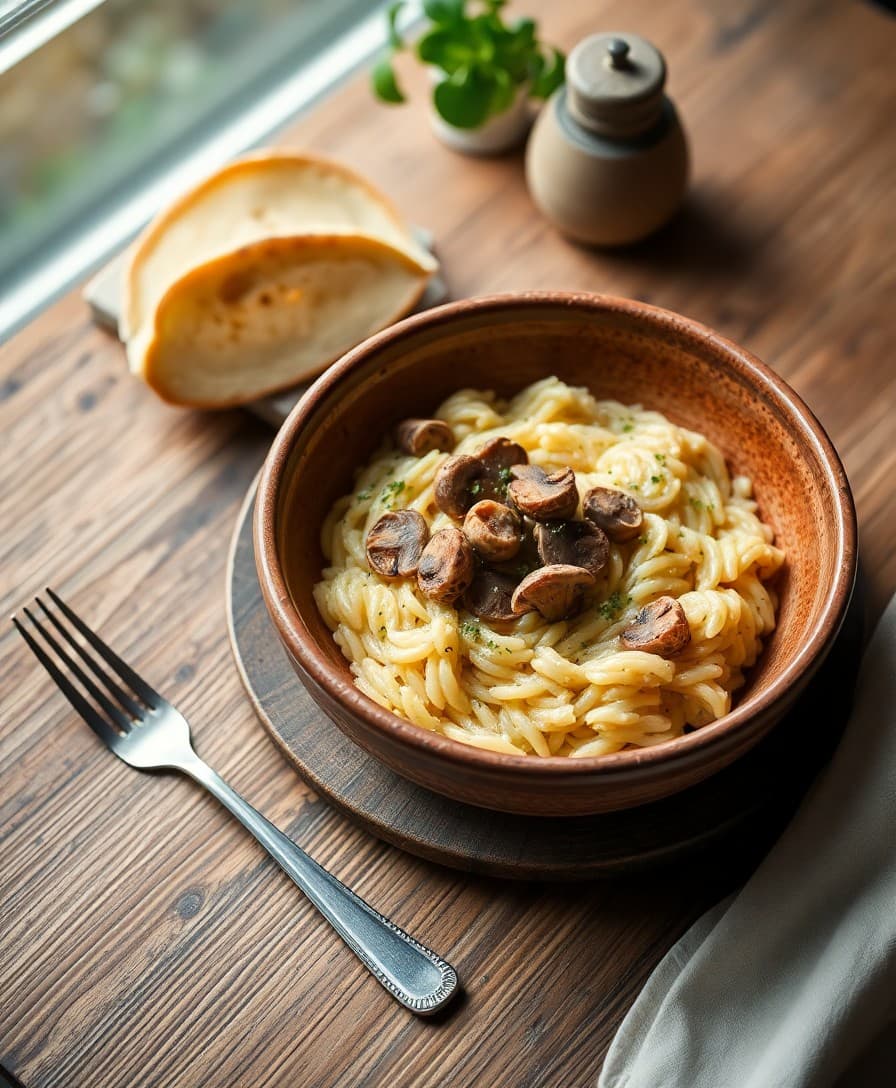
Risotto ai Funghi Porcini is one of Italy's most beloved autumn dishes, born in the forests and kitchens of northern Italy where porcini mushrooms grow abundantly. The secret lies in two things: using proper Carnaroli rice for its superior starch release, and the final mantecatura — a vigorous off-heat stir with cold butter and Parmigiano that transforms the dish into something silky and extraordinary. Whether you use fresh or dried porcini, the result is a deeply flavoured, forest-scented bowl of pure Italian comfort.
Ingredients
- 320 g Carnaroli rice
- 300 g fresh porcini mushrooms (or 30 g dried porcini, rehydrated)
- 1.2 litres warm vegetable or light chicken broth
- 1 small white onion, finely diced
- 120 ml dry white wine
- 50 g cold unsalted butter, cut into cubes
- 60 g Parmigiano Reggiano, freshly grated
- 3 tablespoons extra-virgin olive oil
- 2 tablespoons fresh flat-leaf parsley, finely chopped
- Salt and freshly ground black pepper to taste
Method
- If using dried porcini, soak them in 300 ml of warm water for 20 minutes. Squeeze them gently, strain the soaking liquid through a fine sieve or cloth, and add it to your warm broth — this deepens the flavour enormously. Roughly chop the rehydrated mushrooms.
- Clean fresh porcini with a damp cloth (never rinse under water). Slice the caps thickly and dice the stems separately.
- Heat 1 tablespoon of olive oil in a wide skillet over high heat. Sauté the porcini in a single layer for 3–4 minutes until golden and slightly caramelised. Season with salt, scatter over half the parsley, and set aside.
- In a heavy-based wide pan (a high-sided frying pan or saucepan works well), warm the remaining olive oil over medium heat. Add the diced onion and a pinch of salt, and cook gently for 6–7 minutes until completely soft and translucent — do not let it colour.
- Add the Carnaroli rice and toast it, stirring constantly, for 2 minutes until the grains turn slightly translucent at the edges and smell nutty. Pour in the white wine and stir until fully absorbed.
- Begin adding the warm broth one ladleful at a time, stirring frequently and allowing each addition to be almost fully absorbed before adding the next. Continue for approximately 16–18 minutes, until the rice is al dente — cooked through but with a slight bite at the centre.
- Fold in the sautéed porcini and stir to combine. Remove the pan from the heat. Add the cold butter cubes and grated Parmigiano Reggiano, then beat the risotto vigorously with a wooden spoon or shake the pan — this is the mantecatura. The risotto should become creamy and flow slowly (all'onda, like a wave). Adjust salt and pepper.
- Divide among warm plates, finish with the remaining fresh parsley and a drizzle of high-quality extra-virgin olive oil. Serve immediately.
Tips from the kitchen
Frequently asked questions
Can I use Arborio rice instead of Carnaroli?
You can, but Carnaroli is strongly preferred. It has a longer grain and higher starch content, which means it holds its shape better during the long cooking process while still releasing enough starch for creaminess. Arborio becomes mushy more quickly and is less forgiving if you are even slightly distracted.
Can I make this risotto ahead of time?
Risotto is one dish that really must be served immediately after cooking. However, you can use the restaurant technique of 'risotto in due tempi': cook it 75% of the way, spread it on a tray to stop the cooking, then refrigerate. When ready to serve, finish it with the remaining hot broth and complete the mantecatura — the result is nearly as good as cooking it fully from scratch.
Fresh or dried porcini — which is better for this recipe?
Both are excellent but in different ways. Fresh porcini give outstanding texture and a clean, woodsy aroma. Dried porcini, when rehydrated, deliver a much more concentrated, intense, almost smoky depth of flavour. The best result of all comes from combining both: use dried porcini (and their strained soaking water in the broth) as your flavour base, and fresh porcini sautéed separately for texture and visual beauty.