 Cucina Veloce
Sfogliatella Napoletana – Authentic Neapolitan Recipe
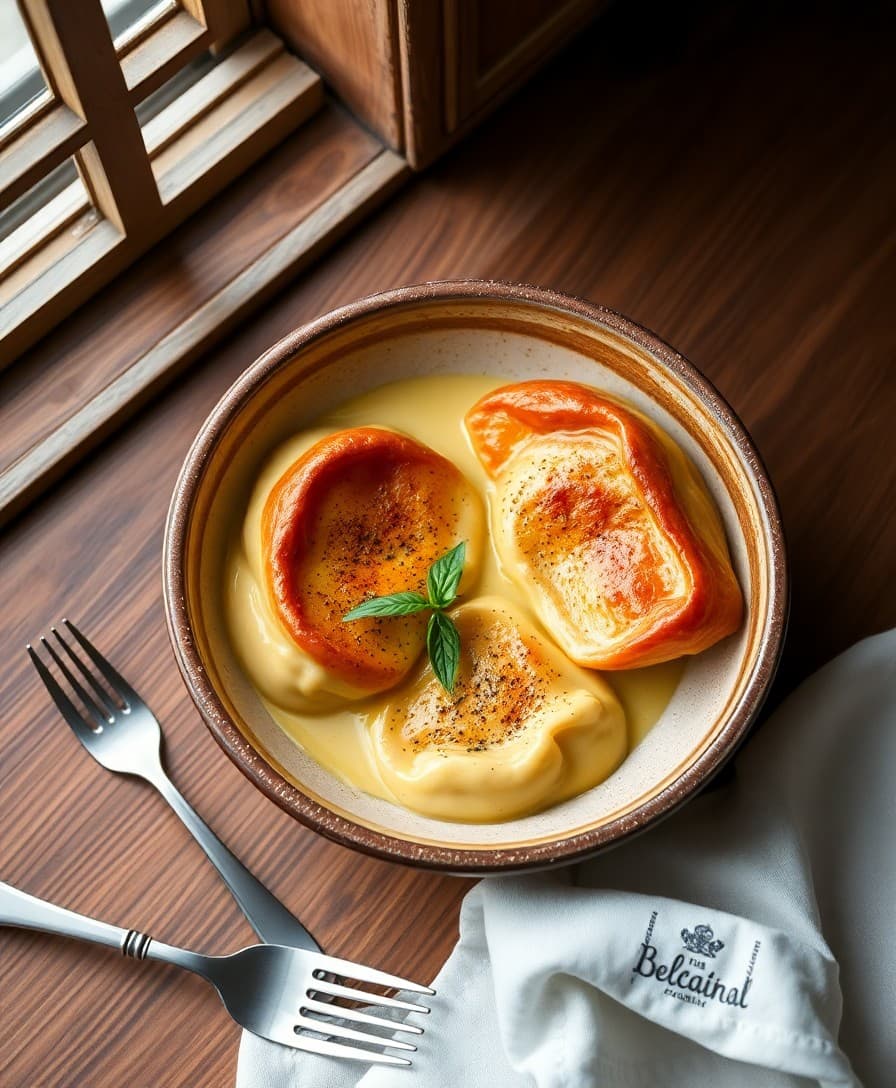
Sfogliatella Napoletana is one of the most iconic pastries in all of Italy, born in the monasteries of the Amalfi Coast in the 17th century and perfected by Neapolitan bakers ever since. Its unmistakable shell shape conceals dozens of paper-thin crispy layers wrapped around a fragrant filling of ricotta, semolina, candied citrus peel and cinnamon. Mastering it at home takes patience, but the result is a genuine masterpiece of Italian pasticceria.
Ingredients
- 500 g (3½ cups) strong bread flour (Manitoba)
- 200 ml (¾ cup + 1 tbsp) warm water
- 1 tsp fine salt
- 1 tsp honey
- 150 g (⅔ cup) lard or vegetable shortening, softened (for laminating)
- 300 g (1⅓ cups) fresh whole-milk ricotta, well drained
- 150 g (¾ cup) fine semolina (semolino)
- 200 ml (¾ cup) whole milk
- 150 g (¾ cup) caster sugar
- 2 medium eggs
- 80 g (⅓ cup) mixed candied orange and citron peel, finely diced
- 1 tsp ground cinnamon
- ½ tsp pure vanilla extract
- Icing sugar, for dusting
Method
- Make the dough: combine flour, salt, honey and warm water in a stand mixer fitted with a dough hook. Knead on medium speed for 10 minutes until very smooth and elastic. Shape into a ball, wrap tightly in cling film and rest at room temperature for 30 minutes.
- Cook the semolina filling: bring milk and 200 ml water to a gentle boil in a saucepan. Rain in the semolina while whisking constantly, then cook over low heat for 5 minutes, stirring until thick. Transfer to a bowl, press cling film directly onto the surface and cool completely.
- Finish the filling: beat the cooled semolina with sugar, eggs, cinnamon and vanilla until smooth. Fold in the drained ricotta and candied peel until evenly combined. Refrigerate until needed.
- Laminate the pastry: on a lightly floured surface, roll the dough out as thinly as possible into a large rectangle (aim for 1–2 mm). Spread softened lard all over the surface in an even layer. Starting from one long edge, roll the dough up very tightly into a compact log. Wrap in cling film and refrigerate for at least 1 hour (overnight is ideal).
- Shape the sfogliatelle: using a sharp knife, cut the log into discs about 1.5 cm (½ inch) thick. Working with one disc at a time, place it on the counter and press the centre outward with your thumbs, rotating as you go, to form a shallow cone or shell shape roughly 10 cm wide.
- Fill and close: place a generous tablespoon of filling in the centre of each shell. Fold the edges over to enclose the filling and pinch firmly at the pointed end to seal. The layered ridges should fan out naturally, resembling a shell.
- Bake: preheat the oven to 200 °C (390 °F) fan. Arrange the sfogliatelle on baking trays lined with parchment paper. Brush lightly with melted lard or butter. Bake for 22–25 minutes until deeply golden and visibly crispy.
- Serve: dust generously with icing sugar and serve warm. Sfogliatelle are at their absolute best eaten within the first hour of baking, just as they do in Naples.
Tips from the kitchen
Frequently asked questions
What is the difference between sfogliatella riccia and sfogliatella frolla?
Sfogliatella riccia ('curly') uses this laminated, multi-layered shell-shaped pastry and is the original and more celebrated version. Sfogliatella frolla uses a softer shortcrust pastry (pasta frolla) shaped into a smooth half-moon — it is easier to make but lacks the characteristic crunch.
Can I make the dough and filling in advance?
Yes — in fact it is recommended. The laminated dough log keeps refrigerated for up to 2 days or frozen for up to 1 month. The semolina-ricotta filling can be made up to 24 hours ahead and kept covered in the fridge.
Why are my sfogliatelle not crispy?
The most common causes are: the dough was not rolled thinly enough before laminating, the lard layer was too thick or uneven, or the oven temperature was too low. Ensure the oven is fully preheated and place the trays in the upper third for maximum crispiness.