 Cucina Veloce
Classic Italian Tiramisù – Authentic Recipe
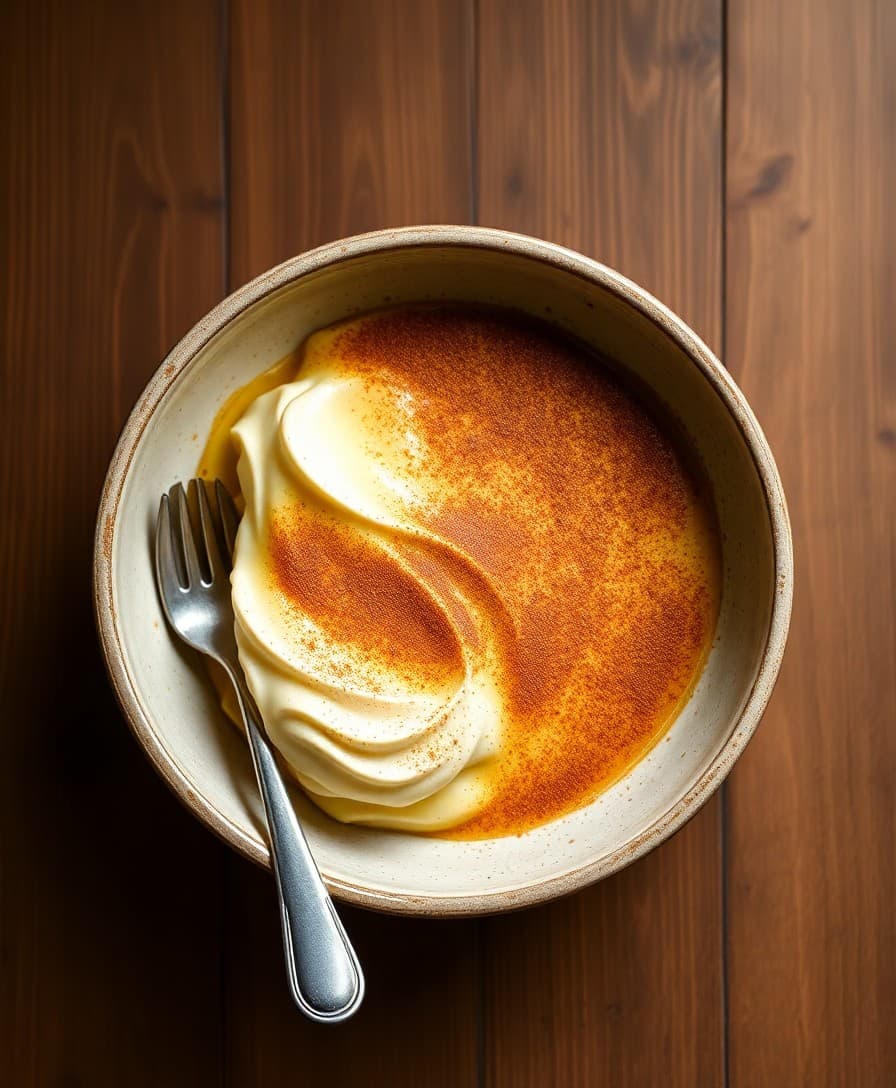
Tiramisù is Italy's most iconic dessert, born in the Veneto region in the 1960s and beloved worldwide ever since. The name literally means 'pick me up' — a nod to the energising combination of espresso and eggs. Made with just a handful of quality ingredients and no baking required, this is the definitive, authentic recipe with no cream and no shortcuts.
Ingredients
- 300 g Savoiardi (Italian ladyfinger biscuits)
- 500 g fresh mascarpone cheese
- 4 large fresh eggs, separated
- 100 g caster sugar
- 300 ml strong espresso coffee, cooled
- 2 tablespoons Marsala wine (or dark rum), optional
- Unsweetened cocoa powder, for dusting
- A pinch of fine salt
Method
- Brew the espresso and let it cool completely to room temperature. Stir in the Marsala wine or rum if using, then pour into a shallow bowl wide enough to dip the ladyfingers.
- Separate the eggs carefully. Place the yolks in a large bowl and the whites in a clean, grease-free bowl. Add the salt to the whites.
- Beat the egg yolks with the sugar using an electric whisk for 3–4 minutes until the mixture is thick, pale, and ribbony. Add the mascarpone and fold gently until perfectly smooth — no lumps.
- Whisk the egg whites to stiff, glossy peaks. They should hold their shape firmly when you lift the whisk.
- Using a large spatula, fold the whipped egg whites into the mascarpone cream in two additions, working slowly from the bottom up to preserve the volume. The cream should be light and airy.
- Quickly dip each ladyfinger into the cooled coffee — 1 to 2 seconds per side. They should be moist but not soggy. Arrange a single layer of soaked ladyfingers in a rectangular dish (roughly 20×30 cm).
- Spread half the mascarpone cream evenly over the ladyfingers, then dust generously with unsweetened cocoa powder through a fine sieve.
- Repeat with a second layer of soaked ladyfingers, the remaining mascarpone cream, and a final, generous dusting of cocoa. Cover with cling film and refrigerate for at least 4 hours, ideally overnight, before serving.
Tips from the kitchen
Frequently asked questions
Can I make Tiramisù without raw eggs?
The authentic recipe uses raw eggs, but if you are concerned about food safety, you can pasteurise them by whisking the yolks with the sugar over a double boiler (bain-marie) at 60 °C for a few minutes until thickened, then proceeding as normal. For the whites, use a meringue made with hot sugar syrup instead.
Why is there no cream in authentic Tiramisù?
The original Veneto recipe uses only mascarpone and whipped egg whites to create its famously light, rich cream. Heavy cream is a common modern variation, but it dulls the distinctive flavour of the mascarpone and produces a heavier, less authentic result.
How long does Tiramisù keep in the fridge?
Tiramisù keeps well in the refrigerator for up to 2–3 days, covered tightly with cling film. Beyond that, the ladyfingers become too soft and the cream can weep. It can also be frozen (without the final cocoa dusting) for up to one month; thaw overnight in the fridge and dust with cocoa before serving.